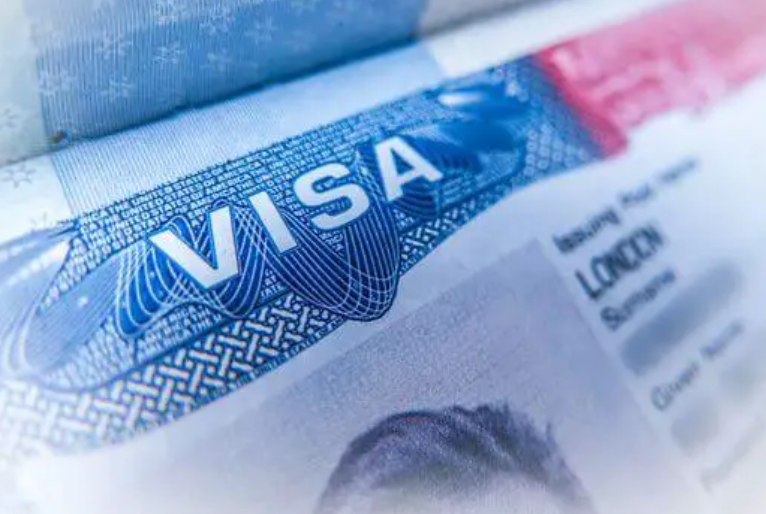
Securing visa sponsorship opportunities in the USA in 2025 can be a life-changing step for skilled professionals worldwide. The United States continues to be a top destination for international talent, offering high salaries, career growth, and access to world-leading industries. However, finding a job that offers visa sponsorship is a competitive and complex process, requiring an understanding of immigration policies, employer requirements, and industry trends.
With strict visa regulations and limited sponsorship availability, many job seekers struggle to navigate the process. The key to success lies in targeting high-demand industries, applying for the right visa category, and presenting a strong application to US employers.
Whether you’re an engineer, IT specialist, healthcare worker, or financial expert, knowing where to look and how to apply can significantly improve your chances of securing a sponsored job in the USA.
In this comprehensive guide, we will cover:
- How visa sponsorship works and why US employers hire foreign workers.
- The most common work visa categories available in the USA.
- Industries with the highest demand for visa-sponsored employees.
- Effective job search strategies for finding US employers that offer sponsorship.
- Step-by-step instructions on applying for a visa-sponsored job.
- Challenges and solutions in the visa sponsorship process.
By the end of this guide, you will have a clear roadmap to securing a visa-sponsored job in the USA and making your career dreams a reality. Let’s begin by understanding how visa sponsorship works and why US employers sponsor foreign workers.
Understanding Visa Sponsorship Opportunities in the USA
Securing visa sponsorship opportunities in the USA in 2025 is a crucial step for international professionals aiming to work in one of the world’s most dynamic economies.
The United States remains a top destination for skilled workers due to its thriving industries, high salaries, and career advancement opportunities. However, finding an employer willing to sponsor a work visa can be challenging, as companies must comply with strict immigration laws and eligibility requirements.
To improve the chances of success, it is essential to understand how visa sponsorship works, why US employers offer sponsorship, and which visa categories are available for foreign professionals.
What is Visa Sponsorship, and How Does it Work?
Visa sponsorship is the process where a US-based employer offers a foreign worker a job and supports their legal work visa application. This sponsorship is essential for professionals who do not already have work authorization in the United States.
The sponsorship process includes:
- A formal job offer from a US employer.
- Filing a petition with the US Citizenship and Immigration Services (USCIS) to approve the worker’s visa eligibility.
- Verifying that the position meets all legal and salary requirements.
- Providing necessary documentation and covering some visa processing fees.
Without an employer’s sponsorship, foreign workers cannot apply for most employment-based visas unless they qualify for an independent pathway, such as an investor visa or a family-sponsored green card.
Why Do US Employers Sponsor Foreign Workers?
Many industries in the United States face a shortage of skilled workers, leading companies to recruit internationally. Employers invest in visa sponsorship to ensure they attract the best global talent, particularly in fields where there is high demand but a limited domestic workforce.
Key Reasons US Companies Offer Visa Sponsorship:
- Filling Critical Skill Gaps – The US experiences labor shortages in technology, healthcare, finance, and engineering, requiring skilled professionals from abroad.
- Maintaining Global Competitiveness – Hiring international talent allows companies to innovate, expand, and remain competitive in the global market.
- Supporting Multinational Operations – Large corporations frequently transfer employees from overseas offices to US branches, making visa sponsorship necessary.
- Advancing Research and Development – The US prioritizes STEM (Science, Technology, Engineering, and Mathematics) professionals, offering visa sponsorship to experts who contribute to scientific and technological advancements.
Although visa sponsorship provides companies with access to a highly skilled workforce, it involves a complex legal process and requires employers to comply with immigration laws and labor conditions.
This means that companies typically only sponsor highly qualified candidates with specialized skills.
Key Visa Categories for Sponsored Employment in the USA
The United States offers several employment-based visa categories that allow foreign nationals to work legally with employer sponsorship. The most commonly used visas include:
1. H-1B Visa – For Skilled Professionals in Specialized Fields
- Designed for workers in IT, engineering, finance, and healthcare.
- Requires at least a bachelor’s degree or equivalent professional experience.
- Subject to an annual visa lottery due to high demand.
2. L-1 Visa – For Intra-Company Transfers
- Allows multinational companies to transfer employees from international offices to US branches.
- Ideal for managers, executives, and specialized knowledge employees.
- No annual cap, making it a more predictable option than the H-1B visa.
3. O-1 Visa – For Individuals with Extraordinary Abilities
- Granted to professionals who have demonstrated exceptional achievements in fields such as science, business, arts, or athletics.
- Requires proof of international recognition, such as publications, awards, or patents.
4. TN Visa – For Canadian and Mexican Professionals
- Available under the NAFTA/USMCA agreement for professionals in engineering, healthcare, teaching, and finance.
- Offers faster processing compared to other visa categories.
5. EB-3 Visa – Employment-Based Green Card for Skilled and Unskilled Workers
- Provides a pathway to permanent residency for workers sponsored by a US employer.
- Employers must prove they could not find a qualified US worker for the role before hiring a foreign applicant.
6. J-1 Visa – For Exchange Visitors and Interns
- Used for researchers, teachers, interns, and trainees participating in cultural and educational exchange programs.
- Requires sponsorship from an approved exchange program or institution rather than a direct employer.
Each visa category has specific requirements, processing times, and approval procedures, making it essential for job seekers to select the right visa pathway based on their skills and experience.
Top Industries Offering Visa Sponsorship Opportunities in the USA
Finding visa sponsorship opportunities in the USA in 2025 requires a strategic approach, and one of the most important factors is targeting industries that actively hire foreign professionals. Certain sectors in the United States face labor shortages, leading to increased demand for skilled international workers.
Understanding which industries frequently offer visa sponsorship can help job seekers focus their applications on high-demand roles where employers are more likely to sponsor work visas.
Technology and IT: High Demand for Skilled Professionals
The technology industry remains one of the largest sponsors of work visas in the USA. With the rapid growth of artificial intelligence, cybersecurity, and software development, companies struggle to fill key roles with domestic talent.
High-Demand Tech Jobs with Visa Sponsorship
- Software Developers and Engineers
- Data Scientists and Machine Learning Engineers
- Cybersecurity Analysts
- Cloud Computing Specialists
- IT Project Managers
Top US Tech Companies That Sponsor Work Visas
- Microsoft
- Amazon
- Apple
- Meta (Facebook)
- Intel
- IBM
Most tech professionals secure employment under the H-1B visa, which is highly competitive due to strong global demand.
Healthcare and Medical Jobs: A Growing Need for International Workers
The healthcare sector in the United States has chronic labor shortages, particularly in roles requiring advanced degrees and certifications. The Health and Care Worker visa (H-1B and EB-3 visas) is a common route for foreign professionals entering this industry.
High-Demand Healthcare Jobs
- Doctors and General Physicians
- Registered Nurses
- Pharmacists
- Physical Therapists
- Medical Technologists
Major US Healthcare Employers Sponsoring Foreign Workers
- Mayo Clinic
- Cleveland Clinic
- Johns Hopkins Medicine
- HCA Healthcare
- Kaiser Permanente
Due to an aging population and increasing healthcare demands, visa sponsorship in this sector is expected to grow significantly in the coming years.
Finance and Banking: Opportunities for Global Talent
The finance and banking sector in the United States seeks skilled professionals with expertise in investment banking, risk management, and financial technology (FinTech).
Many global financial institutions sponsor work visas, particularly for candidates with specialized financial analysis and quantitative skills.
High-Demand Finance Jobs with Visa Sponsorship
- Investment Bankers
- Financial Analysts
- Risk Management Specialists
- Actuaries
- FinTech Engineers
Top US Financial Firms Sponsoring Foreign Workers
- Goldman Sachs
- JPMorgan Chase
- Citigroup
- Morgan Stanley
- BlackRock
Foreign professionals in finance often apply for H-1B visas or employment-based green cards (EB-3), depending on their career level and specialization.
Engineering and Manufacturing: Industries Seeking Skilled Workers
The engineering and manufacturing industries in the USA are experiencing a significant demand for experienced professionals in infrastructure, energy, and mechanical design. Due to a shortage of qualified engineers, many US companies actively sponsor foreign workers.
High-Demand Engineering Roles
- Civil Engineers
- Mechanical Engineers
- Electrical Engineers
- Aerospace Engineers
- Petroleum Engineers
Leading US Engineering Companies Offering Visa Sponsorship
- General Electric (GE)
- Boeing
- Tesla
- Lockheed Martin
- Honeywell
Most engineers secure work visas through H-1B, EB-2, or EB-3 programs, depending on their experience and qualifications.
Education and Research: Visa Sponsorship for Academics
The education sector in the United States regularly sponsors foreign professionals, particularly for teaching, research, and higher education roles. Universities and research institutions offer visa sponsorship for professors, postdoctoral researchers, and academic scholars.
Common Sponsored Roles in Education & Research
- University Professors and Lecturers
- Research Scientists
- STEM Teachers
- Academic Advisors
- Language Instructors
Top US Universities Sponsoring International Academics
- Harvard University
- Stanford University
- Massachusetts Institute of Technology (MIT)
- University of California (UC) System
- Columbia University
Many education professionals apply through J-1 visas (for exchange visitors) or H-1B visas for specialty occupations.
Hospitality and Tourism: Work Opportunities for Foreign Nationals
The hospitality industry in the United States offers visa sponsorship for professionals in hotel management, tourism, and food service. Many large hotels, resorts, and tourism agencies recruit international workers to meet seasonal and full-time employment needs.
In-Demand Jobs in Hospitality & Tourism
- Hotel Managers
- Restaurant Managers
- Chefs and Cooks
- Event Planners
- Customer Service Representatives
Major Hospitality & Tourism Employers Sponsoring Visas
- Marriott International
- Hilton Hotels & Resorts
- Walt Disney Company
- Carnival Cruise Lines
- MGM Resorts International
Most hospitality professionals apply for H-2B visas (temporary work visas) or EB-3 visas for permanent employment sponsorship.
Agriculture and Farming: Visa Sponsorship for Seasonal and Skilled Labor
The agriculture industry in the USA is heavily dependent on temporary foreign workers, particularly for crop harvesting, livestock management, and food production. Many US farms and agribusinesses offer visa sponsorship for seasonal laborers under the H-2A visa program.
Common Sponsored Roles in Agriculture
- Farmworkers and Harvesting Laborers
- Greenhouse and Nursery Workers
- Agricultural Equipment Operators
- Food Processing Workers
- Dairy Farm Workers
Top US Agribusinesses Offering Visa Sponsorship
- Tyson Foods
- Cargill
- John Deere
- Monsanto
- Perdue Farms
The H-2A visa is widely used for seasonal agricultural workers, while skilled professionals in agriculture engineering or food sciences may qualify for H-1B or EB-3 visas.
By targeting industries with a strong demand for international talent, job seekers can increase their chances of finding a sponsored job in the USA.
Most Common Work Visa Categories for Sponsorship
Understanding the most common work visa categories for sponsorship is essential for securing visa sponsorship opportunities in the USA in 2025. Different industries and job roles require specific types of work visas, each with its own eligibility criteria and application process.
This section provides an in-depth look at the most commonly used US work visa categories, outlining their requirements and the types of professionals who qualify.
H-1B Visa: The Primary Pathway for Skilled Foreign Workers
The H-1B visa is the most sought-after work visa for foreign professionals in specialized occupations. It allows US employers to hire international workers in fields requiring advanced skills.
Who Qualifies for the H-1B Visa?
- Professionals with a bachelor’s degree or higher in a relevant field.
- Skilled workers in technology, engineering, healthcare, finance, and research.
- Candidates whose job roles require specialized knowledge that is in demand in the US.
Key Features of the H-1B Visa
- Valid for up to 6 years (initial 3-year period + extension).
- Employers must file a Labor Condition Application (LCA) to prove that hiring a foreign worker does not negatively impact US workers.
- Subject to an annual cap of 85,000 visas, with high demand leading to a lottery system.
- Provides a pathway to permanent residency (Green Card) through employer sponsorship.
Since the H-1B visa is highly competitive, professionals must apply early and target companies that actively sponsor this visa.
L-1 Visa: Intra-Company Transfers for Multinational Employees
The L-1 visa is designed for professionals working in multinational companies who are being transferred from a foreign office to a US branch.
Who Qualifies for the L-1 Visa?
- Employees who have worked for the same multinational company abroad for at least one year.
- Managers, executives, or specialized knowledge workers.
- Candidates working in global corporations with US operations.
Key Features of the L-1 Visa
- Valid for up to 7 years for managers and 5 years for specialized knowledge workers.
- No annual cap, making it a more predictable visa option than the H-1B.
- Allows companies to expand business operations in the US by transferring experienced employees.
Companies such as Google, IBM, Deloitte, and Amazon frequently use the L-1 visa to bring foreign employees to their US offices.
O-1 Visa: Opportunities for Individuals with Extraordinary Abilities
The O-1 visa is specifically for individuals who have demonstrated extraordinary ability in their field, including science, business, education, athletics, or the arts.
Who Qualifies for the O-1 Visa?
- Professionals with internationally recognized achievements in their field.
- Scientists, researchers, award-winning artists, and top business executives.
- Individuals who can provide proof of publications, major awards, patents, or significant contributions to their industry.
Key Features of the O-1 Visa
- Initially granted for 3 years, with extensions available in 1-year increments.
- Requires strong documentation, such as media recognition, awards, or expert testimonials.
- Does not have a numerical cap, making it more accessible to high-achieving professionals.
The O-1 visa is often used by professionals in scientific research, film production, music, and business leadership.
TN Visa: Employment Options for Canadian and Mexican Nationals
The TN visa is a special work visa available to Canadian and Mexican citizens under the United States- Mexico- Canada Agreement (USMCA), previously known as NAFTA.
Who Qualifies for the TN Visa?
- Professionals in fields such as engineering, healthcare, finance, teaching, and science.
- Candidates with job offers from US employers.
- Requires proof of qualifications and a degree in the relevant field.
Key Features of the TN Visa
- Faster processing compared to other visa categories.
- No cap on the number of TN visas issued annually.
- Valid for up to 3 years, with unlimited renewals.
Many Canadian and Mexican professionals working in STEM fields and academia use the TN visa to secure employment in the US.
EB-3 Visa: Employment-Based Green Card for Skilled and Unskilled Workers
The EB-3 visa provides a direct pathway to a US Green Card, making it one of the most attractive options for foreign workers seeking long-term employment and permanent residency.
Who Qualifies for the EB-3 Visa?
- Skilled workers with at least two years of professional experience in their field.
- Professionals with a US-equivalent bachelor’s degree or higher.
- Unskilled workers (for jobs requiring less than two years of training) in industries such as hospitality, manufacturing, and agriculture.
Key Features of the EB-3 Visa
- Leads to permanent residency in the US.
- Requires employer sponsorship and a labor certification (PERM process).
- Takes longer to process than temporary work visas but offers a direct route to a Green Card.
Many foreign professionals in nursing, hospitality, and skilled trades pursue the EB-3 visa for long-term employment in the USA.
J-1 Visa: Sponsorship for Exchange Visitors and Internships
The J-1 visa is commonly used for internships, training programs, research opportunities, and cultural exchanges.
Who Qualifies for the J-1 Visa?
- Research scholars, university professors, and medical trainees.
- International students participating in internships and practical training programs.
- Professionals in teaching, business, and STEM fields under exchange visitor programs.
Key Features of the J-1 Visa
- Valid for 6 months to 7 years, depending on the program.
- Requires sponsorship from an approved J-1 exchange program rather than a direct employer.
- Some J-1 visa holders must return to their home country for at least 2 years before applying for another US work visa.
The J-1 visa is widely used by universities, multinational corporations, and government-sponsored training programs.
By selecting the right visa category for their skills and career goals, job seekers can maximize their chances of securing a sponsored job in the USA.
How to Find Visa Sponsorship Jobs in the USA
Securing visa sponsorship opportunities in the USA in 2025 requires more than just qualifications—it demands a targeted job search strategy. Many companies are willing to hire international professionals, but identifying these employers and successfully applying for sponsorship can be challenging.
In this section, we will explore the best online job portals, networking strategies, recruitment agencies, and ways to identify companies that frequently sponsor work visas.
Best Online Job Portals for Sponsored Jobs
Many major job platforms allow applicants to filter job listings specifically for visa sponsorship opportunities in the USA. The following are some of the best platforms to search for sponsored jobs:
1. LinkedIn (www.linkedin.com/jobs)
- Search using keywords like “H-1B visa sponsorship,” “Skilled Worker Visa USA,” or “work visa sponsorship”.
- Follow companies known for hiring international professionals.
- Use the Easy Apply feature to submit multiple applications quickly.
2. Indeed (www.indeed.com)
- Type “visa sponsorship” along with your job title and preferred location.
- Use filters for full-time, remote, and company-specific searches.
- Set up job alerts to receive real-time notifications for visa-sponsored jobs.
3. Glassdoor (www.glassdoor.com)
- Research companies that offer sponsorship by checking employee reviews.
- Search for job postings that mention visa sponsorship in the job description.
- Explore salary insights to ensure you meet minimum visa salary requirements.
4. H1BGrader (www.h1bgrader.com)
- A dedicated platform that tracks companies offering H-1B sponsorships.
- Provides detailed insights into visa approval rates and employer sponsorship history.
5. USponsorMe (www.usponsorme.com)
- Specializes in connecting foreign professionals with US employers that provide sponsorship.
- Offers industry-specific searches for roles in IT, healthcare, engineering, and finance.
Applying for jobs through trusted job portals significantly improves the chances of finding genuine sponsorship opportunities.
Networking Strategies to Connect with US Employers
Many job openings are never advertised online and are filled through networking and referrals. Establishing connections with US-based professionals can lead to hidden job opportunities.
1. Leverage LinkedIn for Networking
- Connect with recruiters and hiring managers at US companies.
- Join LinkedIn groups related to your industry and work visas.
- Engage with company posts and showcase your expertise through comments and articles.
2. Attend Virtual and In-Person Job Fairs
- Many US companies participate in career fairs where they recruit international talent.
- Use platforms like Handshake, Eventbrite, and Glassdoor Events to find upcoming fairs.
3. Join Professional Associations in Your Industry
- Many professional groups offer mentorship programs and job opportunities.
- Examples include:
- IEEE (for engineers)
- AMA (for marketing professionals)
- ACM (for computer scientists)
Networking with industry professionals and hiring managers increases the chances of getting noticed for sponsorship opportunities.
Using Recruitment Agencies to Secure Visa Sponsorship
Recruitment agencies specialize in connecting job seekers with employers willing to offer visa sponsorship. Many large firms outsource their hiring to recruitment agencies, making them an excellent resource for international candidates.
Top US Recruitment Agencies for Visa-Sponsored Jobs
| Recruitment Agency | Industries Covered |
|---|---|
| Robert Half | Finance, Accounting, IT |
| Kforce | Technology, Engineering, Government |
| TEKsystems | IT, Software Development, Data Science |
| Hays US | Engineering, Construction, Manufacturing |
| Aerotek | Healthcare, Aviation, Skilled Trades |
How to Use Recruitment Agencies Effectively
- Submit a well-structured CV that highlights your skills and experience.
- Clearly mention that you require visa sponsorship.
- Be proactive by following up with recruiters and staying updated on new opportunities.
Recruiters have direct connections with hiring managers, increasing your chances of getting noticed for sponsorship.
How to Identify Companies That Sponsor Foreign Workers
Not all US companies offer visa sponsorship, so targeting employers with a history of hiring foreign talent is essential.
1. Check the US Department of Labor’s H-1B Employer Database
- The US Department of Labor maintains records of companies that have sponsored H-1B visas in previous years.
- You can find the latest employer listings on www.myvisajobs.com.
2. Research Sponsorship History on Company Websites
- Many companies mention visa sponsorship policies on their career pages.
- If not listed, consider emailing HR departments to inquire about sponsorship options.
3. Use Online Tools to Track Visa Sponsorship Trends
- Websites like H1BGrader and USponsorMe provide company-specific sponsorship data.
Top US Companies That Frequently Sponsor Work Visas
| Company | Industry | Common Visa Type |
|---|---|---|
| Technology | H-1B, O-1 | |
| Microsoft | Software & IT | H-1B, L-1 |
| Amazon | E-commerce & Cloud Computing | H-1B, L-1 |
| Deloitte | Consulting & Finance | H-1B, L-1 |
| Mayo Clinic | Healthcare | H-1B, J-1 |
| Goldman Sachs | Finance | H-1B, L-1 |
Identifying companies that actively hire foreign professionals saves time and increases the likelihood of securing a sponsored job.
Step-by-Step Guide to Applying for a US Sponsored Job
Once you have identified visa sponsorship opportunities in the USA for 2025, the next crucial step is applying effectively. A strong application increases your chances of securing a job offer from an employer willing to sponsor your visa.
This section provides a detailed, step-by-step guide on how to:
- Craft a compelling resume and cover letter tailored for US employers.
- Prepare for job interviews with companies that offer visa sponsorship.
- Navigate the visa application process and required documentation.
- Secure a Labor Condition Application (LCA) for an H-1B visa.
By following this guide, job seekers can maximize their chances of getting hired by a US employer and securing a work visa.
Step 1: Creating a Strong Resume and Cover Letter for US Employers
A well-crafted resume and cover letter are the first steps to landing an interview with a visa-sponsoring employer. Since US employers prefer resumes that highlight skills, achievements, and measurable results, it is essential to format them correctly.
How to Format a US Resume for Visa Sponsorship Jobs
- Use a clean, professional layout with clear sections.
- Keep it concise—no more than two pages.
- Use bullet points to highlight skills, accomplishments, and job responsibilities.
- List work experience in reverse chronological order, starting with the most recent job.
- Include:
- Professional Summary (2-3 sentences highlighting experience and skills).
- Work Experience (including job title, employer, dates of employment, and key achievements).
- Education and Certifications.
- Skills and Technical Expertise.
- Languages and Additional Qualifications.
Tips for Writing a Strong Cover Letter
- Address it to a specific hiring manager or recruiter whenever possible.
- Clearly state that you require visa sponsorship and explain why you are a strong candidate for the role.
- Emphasize how your skills align with the company’s needs.
- End with a call to action, expressing your interest in an interview.
A well-written resume and cover letter tailored to US employers increases the likelihood of securing an interview for a sponsored job.
Step 2: How to Prepare for a Job Interview with a Visa-Sponsoring Company
Once shortlisted, applicants must prepare thoroughly for interviews with US employers. Since hiring a foreign worker requires additional effort from employers, candidates must demonstrate their value clearly.
Common Interview Questions for Visa-Sponsored Jobs
- Why are you interested in working in the US?
- What skills and experience make you a strong fit for this role?
- Have you worked in a global or multicultural environment before?
- Are you familiar with US workplace culture and expectations?
- How do you plan to transition smoothly into this role if selected?
Interview Tips for Securing a Sponsored Job
- Research the company—Understand its mission, projects, and work culture.
- Practice competency-based answers using the STAR method (Situation, Task, Action, Result).
- Be honest about visa sponsorship—Explain that you need sponsorship, but reassure them of your commitment to the company.
- Show enthusiasm and adaptability—Employers prefer candidates who can easily integrate into the team.
A well-prepared interview performance increases the chances of receiving a job offer from a visa-sponsoring company.
Step 3: Understanding the Visa Application Process and Required Documents
Once a US employer extends a job offer, the next step is the visa application process. The employer must submit sponsorship paperwork, and the employee must provide supporting documents.
Documents Required for a US Work Visa Application
- Valid Passport (must be valid for at least six months beyond the visa duration).
- Certificate of Sponsorship (CoS) or job offer letter from the employer.
- Educational Certificates and Work Experience Documents.
- Proof of Financial Stability (if required by the visa category).
- English Language Proficiency Test Results (if applicable).
- Completed Visa Application Forms (DS-160 for temporary work visas, DS-260 for green cards).
Once these documents are in place, the employer submits a petition to the US Citizenship and Immigration Services (USCIS). If approved, the employee can apply for the visa through the US embassy or consulate in their home country.
Step 4: How to Secure a Labor Condition Application (LCA) for an H-1B Visa
For H-1B visa applicants, the Labor Condition Application (LCA) is a critical document that ensures foreign workers receive fair wages and working conditions.
Steps to Obtain an LCA for an H-1B Visa
- Employer Files an LCA with the US Department of Labor (DOL) – The company must prove that hiring a foreign worker does not negatively affect US employees.
- DOL Reviews and Certifies the LCA – This process takes 7-10 business days.
- The employer submits the H-1B Petition to USCIS. If selected in the lottery (if applicable), USCIS processes the visa application.
- Employee applies for an H-1B Visa – Once the petition is approved, the applicant completes a visa interview at a US embassy before traveling to the US.
The LCA process ensures compliance with US labor laws, making it a crucial step for H-1B visa applicants.
Challenges and Considerations in US Visa Sponsorship
While securing visa sponsorship opportunities in the USA in 2025 is a great achievement, the process comes with several challenges and considerations. US immigration policies impose strict eligibility criteria, and both employers and employees must navigate potential obstacles to ensure a smooth visa approval process.
This section highlights the most common challenges faced by foreign workers and provides strategies to overcome these barriers.
Common Reasons Visa Applications Get Denied
Even with a job offer and employer sponsorship, visa applications can be denied due to various factors. The most frequent reasons for visa denials include:
1. Incomplete or Incorrect Documentation
- Missing essential documents such as a Certificate of Sponsorship (CoS), financial proof, or English language certification can result in an automatic rejection.
- Errors in filling out the visa application form can lead to delays or outright denials.
2. Failure to Meet the Salary Threshold
- The H-1B visa requires a minimum salary of $60,000 per year for most roles.
- If the employer does not meet the prevailing wage requirements, the visa application may be denied.
3. Insufficient Proof of English Language Proficiency
- Most work visas require applicants to prove their English language skills through standardized tests like IELTS or TOEFL.
- Not providing valid proof of English proficiency can lead to application rejection.
4. Failing the Background Check or Security Clearance
- A history of immigration violations, criminal offenses, or fraud can result in immediate denial.
- Applicants must disclose all relevant information honestly to avoid legal complications.
5. Employer’s Lack of Compliance with Sponsorship Rules
- If the employer is not a registered sponsor with the US Department of Labor, they cannot legally sponsor a foreign worker.
- Companies must demonstrate financial stability and legal compliance to be eligible to sponsor visas.
Being thorough and precise during the application process helps avoid these common mistakes and improves visa approval chances.
The H-1B Lottery System and How to Improve Your Chances
The H-1B visa is highly competitive, with only 85,000 visas available each year—65,000 for general applicants and 20,000 for applicants with US master’s degrees. Due to high demand, applications are selected through a random lottery system.
Strategies to Improve Your H-1B Lottery Chances
- Apply through multiple sponsoring employers – Submitting multiple applications through different employers increases your chances of being selected.
- Consider alternative visa categories – If not selected, look into the L-1 (intra-company transfer), O-1 (extraordinary ability), or TN (for Canadians/Mexicans) visas.
- Strengthen employer connections – Large multinational corporations often have higher H-1B selection rates due to consistent visa sponsorship.
Although the lottery system introduces uncertainty, applying early and considering alternative visas can improve your chances of working in the US.
Understanding Salary Requirements for Work Visas
Most employment-based visas require a minimum salary threshold, which varies depending on the visa category, job role, and location.
Salary Thresholds for US Work Visas
| Visa Type | Minimum Salary Requirement |
|---|---|
| H-1B | $60,000 per year (prevailing wage applies) |
| L-1 | No fixed minimum, but must meet industry standards |
| EB-3 | Varies by job category and state |
| O-1 | No fixed minimum, but must prove extraordinary ability |
Employers must pay foreign workers at least the same wage as American employees in similar roles, ensuring fair compensation and compliance with labor laws.
Immigration Costs and Employer Sponsorship Fees
Applying for a US work visa involves several costs, which may be covered by either the employer or the employee.
Estimated Visa Costs for Employees (Job Seekers)
| Expense | Estimated Cost (USD) |
|---|---|
| H-1B Visa Application Fee | $460 |
| USCIS Premium Processing (Optional) | $2,500 |
| Immigration Health Surcharge (for some visa types) | $500 – $700 |
| English Language Test (if required) | $150 – $250 |
| Visa Interview & Biometric Fees | $160 – $190 |
Employer Sponsorship Costs
| Expense | Estimated Cost (USD) |
|---|---|
| H-1B Registration Fee | $10 per applicant |
| H-1B Filing Fee | $750 – $1,500 (depending on company size) |
| Fraud Prevention and Detection Fee | $500 |
| Public Law 114-113 Fee (for companies with >50 employees) | $4,000 |
Since visa sponsorship is expensive for employers, companies tend to prioritize candidates with specialized skills that justify the investment.
Maintaining Legal Compliance with US Work Visa Regulations
After securing a work visa, foreign professionals must comply with all visa conditions to maintain legal status.
Key Compliance Rules for Visa Holders
- Work only for the sponsoring employer – Unauthorized employment violates visa terms and may lead to deportation.
- Maintain up-to-date immigration records – Any changes in job role, salary, or work location must be reported to USCIS.
- Renew or extend visas before expiration – Most work visas require timely renewal to avoid legal issues.
- Avoid violations of visa conditions – Engaging in illegal work, overstaying a visa, or failing to meet tax obligations can impact future applications.
Employers also have compliance responsibilities, such as maintaining accurate employment records and notifying USCIS of any job changes.
Conclusion: Maximizing Your Chances of Securing a US Work Visa
Securing visa sponsorship opportunities in the USA in 2025 requires a strategic approach, strong qualifications, and persistence. The demand for skilled foreign workers remains high in industries like technology, healthcare, finance, and engineering, but competition is intense.
To improve your chances:
- Target companies with a history of sponsoring visas and apply through trusted job portals.
- Tailor your resume and cover letter to meet US employer expectations.
- Prepare thoroughly for job interviews and highlight your unique skills.
- Choose the right visa category and ensure compliance with salary and documentation requirements.
- Stay informed about policy changes and alternative visa options to increase flexibility.
While the process is complex, early preparation and a focused job search strategy can significantly improve the likelihood of securing a US work visa and long-term career opportunities.
I’m so happy for this opportunity
It’s so good
And I am happy for this opportunity
I am happy for this job
Thanks alot for this great privilege
Thank God for this opportunity
Thank God for this great opportunity
It’s so good and I am grateful for this opportunity