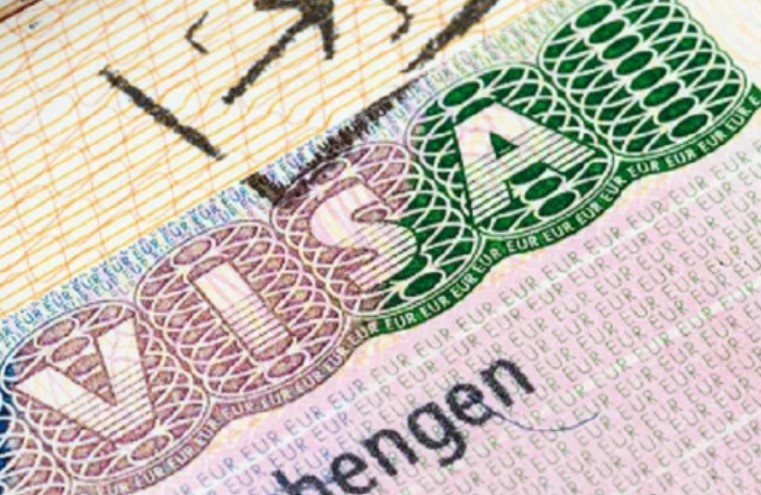
The ‘German Graduate Student Visa Application’ process can often seem like a labyrinth of paperwork and appointments, but it’s the indispensable first step towards your academic adventure in Germany.
Imagine yourself, visa in hand, stepping into the vibrant academic landscape of a country renowned for its innovation and research. Are you ready to cut through the confusion and navigate this process with clarity and confidence?
The truth is, securing your German graduate student visa doesn’t have to be a daunting ordeal. This article is your comprehensive, step-by-step guide designed to demystify the application process and empower you to achieve your study abroad goals.
We’ll break down the essential documentation, guide you through the embassy appointment, and share insider tips to avoid common pitfalls.
Forget the stress and uncertainty; we’re here to streamline your journey and ensure your focus remains where it belongs: on your academic aspirations.
Let’s transform your dream of studying in Germany into a tangible, visa-secured reality.
Mastering Your German Graduate Student Visa Application
Pursuing a master’s or PhD in Germany is an incredible opportunity, but mastering your German Graduate Student Visa Application is the first critical step to making your academic journey a reality.
Germany is home to some of the world’s most prestigious universities, offering tuition-free or low-cost education, groundbreaking research opportunities, and a strong post-study work environment.
However, without a successful visa application, all these opportunities remain out of reach.
The visa process can seem overwhelming, but with the right strategy, you can navigate it smoothly, avoid costly mistakes, and secure your approval on time.
In this guide, we will walk you through every stage of the application process, from understanding visa timelines to preparing for your interview.
Let’s begin by understanding why timing is everything when applying for a German student visa and the key differences between graduate and undergraduate visa requirements.
Understanding the Importance of a Timely Visa Application
Germany’s student visa process is notoriously strict, and any delay in your application can jeopardize your admission and travel plans. Whether you are enrolling in a master’s program or pursuing a PhD, the timing of your German Graduate Student Visa Application is crucial.
1. Avoiding Rejections Due to Missed Deadlines
The German student visa process involves multiple steps, embassy appointments, and document verification, which can take weeks or even months. If you apply late, you risk missing your university’s enrollment deadline, forcing you to defer your admission or even reapply for the next intake.
2. Embassy Appointment Slots Fill Up Fast
German embassies and consulates worldwide are often overbooked, especially in high-demand seasons. In some countries, applicants have to wait three to six months just to secure an appointment.
The earlier you apply, the higher your chances of getting an appointment in time.
3. Processing Times Can Vary Widely
On average, student visa processing takes four to twelve weeks, but additional background checks, incomplete documents, or high application volumes can cause unpredictable delays. A well-prepared, error-free application increases your chances of fast approval.
4. Your University Enrollment Period Matters
Many German universities require students to arrive on campus before the semester officially begins for orientation and administrative formalities. If your visa is delayed, you might miss these deadlines, putting your admission at risk.
Actionable Tip:
Start the visa application process at least three to six months before your program begins. This allows you ample time to collect documents, book appointments, and resolve any issues that may arise.
Key Differences: Graduate vs. Undergraduate Visa Requirements
While both undergraduate and graduate students apply for the German National Visa (long-stay visa for study purposes), there are important differences in the application process and required documents.
1. Additional Proof of Academic Qualifications
Graduate students must provide proof of a completed bachelor’s degree, while undergraduate applicants only need their high school diploma. This means:
- Your bachelor’s degree certificate and transcripts must be translated (if required) and authenticated.
- Some universities or consulates may require an APS Certificate (for applicants from India, China, and Vietnam), which verifies the authenticity of academic credentials.
2. Different Financial Requirements for Graduate Students
Undergraduate and graduate students both need to prove they can financially support themselves during their studies. However, some master’s and PhD programs offer stipends, scholarships, or research assistantships that can serve as proof of financial security.
- If you have a scholarship or research funding, you may not need to show a blocked account (Sperrkonto).
- If you are self-funded, you need to deposit at least €11,208 (as of 2024) into a German blocked account to prove you can cover living expenses.
3. Work Restrictions for Graduate Students
Graduate students in Germany often have more opportunities to work than undergraduates, particularly if they secure jobs as research or teaching assistants. Some consulates may request additional proof of intent, such as a letter stating whether you plan to work while studying.
4. Different Visa Extensions and Post-Graduation Pathways
Undergraduates typically extend their student visas only to continue their studies. However, graduate students can extend their residence permit for up to 18 months after graduation to find a job in Germany.
Some PhD students also transition to work visas or research permits.
Actionable Tip:
Check with your local German embassy for specific document requirements for graduate students, as they can differ from undergraduate applications.
Additionally, if your program offers funding, confirm whether it can be used in place of a blocked account.
Step-by-Step Guide: Preparing Your German Graduate Student Visa Documents
A well-prepared visa application starts with organizing all required documents well in advance. Missing even one essential document can result in delays or outright rejection.
The German Graduate Student Visa Application requires careful attention to detail, as each document plays a crucial role in proving your eligibility to study in Germany.
This section will guide you through the essential documents you need, including financial proof, health insurance, accommodation verification, and language proficiency requirements.
Essential Documents: Passport, Application Form, and Acceptance Letter
Before you even book an appointment at the German embassy or consulate, you must gather fundamental documents that prove your identity and academic status.
1. Valid Passport
- Your passport must be valid for at least one year beyond your planned stay in Germany.
- Ensure there are at least two blank pages for visa stamps.
- If your passport is close to expiry, renew it before applying to avoid complications.
2. Completed National Visa Application Form
- You must fill out the National Visa (D-Visa) application form, which can be found on the website of the German embassy or consulate in your country.
- Some consulates require applicants to complete the VIDEX online application form before printing and signing it.
3. University Acceptance Letter (Zulassungsbescheid)
- You must submit the official admission letter from your German university.
- Ensure that your name, course name, university details, and semester start date are clearly mentioned.
- If you are admitted on a conditional basis (e.g., language course requirement before full enrollment), make sure to submit proof of language course registration as well.
Proving Financial Resources: Blocked Account and Sponsorship Letters
Germany requires all student visa applicants to prove they can financially support themselves during their studies. Without proper financial documentation, your visa will not be approved.
1. Blocked Account (Sperrkonto)
A blocked account is the most common method of proving financial resources. It ensures that you have enough funds to cover your living expenses while studying in Germany.
- The required amount is €11,208 for one academic year (as of 2024).
- The money must be deposited into a German-approved bank account (e.g., Fintiba, Expatrio, or Deutsche Bank).
- You will receive a blocked account confirmation, which must be submitted with your visa application.
2. Scholarship or University Funding Letter
- If you have been awarded a scholarship that covers your tuition and living expenses, this can replace the need for a blocked account.
- The scholarship letter must clearly state the amount covered, duration, and issuing organization.
3. Formal Obligation Letter (Verpflichtungserklärung) from a Sponsor
- If a relative or sponsor is financially supporting you, they must provide a sponsorship letter stating their commitment to covering your expenses.
- The sponsor must obtain a formal obligation letter (Verpflichtungserklärung) from the German Foreigners’ Office if they reside in Germany.
- If the sponsor is outside Germany, they must provide bank statements, tax records, and a notarized sponsorship affidavit.
Health Insurance and Proof of Accommodation: Critical Components
Without valid health insurance and proof of accommodation, your visa cannot be processed.
1. Health Insurance Coverage
Germany requires mandatory health insurance for all students. You must provide proof of either:
- Public Health Insurance (for students under 30) from providers like TK, AOK, or Barmer.
- Private Health Insurance (for older students or PhD candidates), such as MAWISTA or EDUCARE24.
- Temporary travel health insurance covering at least €30,000 for the visa application process.
2. Proof of Accommodation
You must show where you will live upon arrival in Germany. Acceptable proof includes:
- Rental contract or housing confirmation from your university dormitory.
- Hotel or temporary accommodation booking, valid for at least the first few weeks.
- A signed invitation letter from a resident in Germany if you are staying with family or friends.
Language Proficiency: Meeting German or English Language Requirements
Your program may be in German, English, or both, and you must prove you meet the language requirements.
1. English-Taught Programs
If your program is in English, you must submit:
- TOEFL (minimum 80–100, depending on university requirements).
- IELTS (minimum band score 6.0–7.0, depending on university requirements).
- Some universities accept proof that your previous degree was in English (must be mentioned on your transcript or obtain a letter from your previous university).
2. German-Taught Programs
If your program is in German, you need:
- TestDaF (Minimum level 4 in all sections).
- DSH (Level 2 or 3, depending on university requirements).
- Goethe-Zertifikat (Minimum B2 or C1 level, depending on program requirements).
3. Conditional Admission with Language Course
If your admission letter states that you need to complete a German language course before starting your main degree, you must provide:
- Proof of enrollment in a German language course.
- A blocked account covering your stay during the language course period.
Without these critical documents, your German Graduate Student Visa Application could be delayed or rejected.
Navigating the German Embassy/Consulate Appointment Process
Booking your visa appointment is one of the most critical steps in the German Graduate Student Visa Application process. Delays in securing an appointment can lead to missed university enrollment deadlines, forcing you to defer your admission.
Since German embassies and consulates have limited slots, demand is high, especially in peak seasons.
Understanding how to schedule your appointment early, prepare for the interview, and navigate the appointment day effectively will give you a strong advantage.
Scheduling Your Appointment: Tips for Securing a Timely Slot
Appointment slots at German embassies and consulates fill up quickly, particularly between June and September for winter semester applicants and January to April for summer semester students.
1. Book Your Appointment as Soon as You Receive Admission
- Many applicants wait until they have all their documents ready before scheduling their appointment, but this can be a costly mistake.
- Some German embassies allow you to book a slot while still preparing your documents.
- If possible, register on the embassy’s appointment system immediately after receiving your university acceptance letter.
2. Use Automated Embassy Systems and Keep Checking for Cancellations
- Some embassies offer an online appointment system (e.g., VIDEX), while others require manual email requests.
- If slots are unavailable, check the system daily or sign up for email notifications.
- Many students cancel appointments, so last-minute slots may open up unexpectedly.
3. Consider Alternative Embassies or Consulates
- Some countries have multiple German consulates (e.g., India, the U.S., Canada). If the embassy in your city is fully booked, check other locations that process student visas.
- Some students even travel to neighboring countries to secure faster appointments, though this requires additional planning.
4. Request an Expedited Appointment in Urgent Cases
- If your university enrollment deadline is approaching, you can email the embassy requesting an expedited appointment.
- Provide proof of urgency, such as an official university letter stating your reporting date.
Preparing for the Interview: Common Questions and Best Practices
Most German embassies require applicants to attend an in-person visa interview. This is not a test but rather a way for the visa officer to confirm the authenticity of your documents and your intent to study in Germany.
1. Common Questions You Should Prepare For
Visa officers may ask you:
A. Academic and Career Goals
- Why did you choose Germany for your studies?
- Why this specific university and program?
- What are your long-term career plans after completing your degree?
B. Financial Proof and Funding
- How do you plan to finance your studies?
- Can you explain the source of funds in your blocked account?
- Do you have a sponsor, and what is their financial background?
C. Accommodation and Living Arrangements
- Where will you stay in Germany?
- Do you have a rental agreement or university dorm confirmation?
D. Language Proficiency and Integration
- What is your level of German, and do you plan to improve it?
- Have you taken any German language courses?
2. Best Practices for a Successful Interview
- Be honest and confident. Visa officers are looking for genuine students, not rehearsed answers.
- Answer clearly and concisely. Avoid giving overly long or vague responses.
- Bring all required documents. Some embassies may request additional copies of your financial proof, health insurance, or accommodation details.
- Dress professionally. While there is no strict dress code, a neat and professional appearance leaves a positive impression.
What to Expect on the Day of Your Visa Appointment
On the day of your appointment, arriving prepared will help make the process smooth and stress-free.
1. Arrive Early and Follow Security Protocols
- Arrive at least 30 minutes before your scheduled time.
- Some embassies do not allow electronic devices, bags, or food inside, so check the embassy’s guidelines beforehand.
2. Submission of Documents and Biometric Data
- Once inside, submit your documents to the visa processing officer.
- The officer will verify your papers, take your biometric data (fingerprints and photo), and ask you basic questions.
3. Payment of Visa Fees
- Most embassies require visa fee payments in cash (around €75, but check with your local embassy for exact fees).
- Some consulates may accept credit/debit card payments, but it is best to bring the exact amount in local currency or euros.
4. Interview Process
- The visa officer will ask questions based on your application and documents.
- Keep your answers straightforward and aligned with the documents you provided.
5. Confirmation and Next Steps
- At the end of the appointment, you will receive a confirmation receipt with a tracking number to check your visa status online.
- Some embassies may inform you immediately if your application is complete, while others may request additional documents via email later.
Missing an appointment or failing to provide the correct documents can significantly delay your visa approval. A well-prepared approach ensures a smooth process and increases your chances of success.
Post-Application: What Happens After You Submit Your Visa Documents
Once you have successfully submitted your German Graduate Student Visa Application, the next phase begins: waiting for approval. This period can be stressful as processing times vary, and embassies may request additional documents.
However, by tracking your application, understanding potential delays, and preparing for the next steps, you can stay informed and avoid unnecessary stress.
In this section, we will guide you through what happens after your visa application is submitted, including tracking your status, handling delays, and what to do once your visa is approved.
Tracking Your Application Status and Understanding Processing Times
The processing time for a German student visa typically ranges from four to twelve weeks, but this varies depending on factors such as your home country, the volume of applications, and the embassy workload.
1. How to Track Your Visa Application Status
After you submit your application, the German embassy or consulate will provide:
- A tracking number or reference ID to check your visa status online (for embassies that offer tracking services).
- An estimated processing timeline, which can help you plan your travel.
Depending on the embassy, you can track your application through:
- The official German consulate website (if tracking services are available).
- The Visa Application Center (VAC) website, such as VFS Global (for countries where applications are outsourced).
- Email or phone inquiries to the embassy (though response times may be slow).
2. Standard Visa Processing Times by Country
| Country | Average Processing Time |
|---|---|
| India | 6–12 weeks |
| Pakistan | 8–12 weeks |
| Nigeria | 8–10 weeks |
| United States | 4–6 weeks |
| Canada | 4–8 weeks |
| China | 6–10 weeks |
These timelines are estimates and may vary based on embassy workload and individual cases.
3. What If You Haven’t Received a Response?
- If your visa is taking longer than expected, check if the embassy website has updates on processing delays.
- Contact the embassy only if your waiting period has significantly exceeded the estimated time.
- If you need to join your university before a certain deadline, you may request an expedited processing update, but approvals are not guaranteed.
Addressing Potential Delays and Required Additional Information
Sometimes, embassies request additional documents or conduct further verification, which can delay visa approval.
1. Common Reasons for Visa Processing Delays
- Background verification: If the authorities need to verify your academic credentials or financial status.
- High application volume: Embassies receive thousands of applications, especially during peak seasons.
- Missing or incorrect documents: If any document is incomplete, unclear, or does not meet the embassy’s requirements.
- Security checks: Some applicants undergo additional screening based on their country of origin or travel history.
2. What to Do If Additional Documents Are Requested
- The embassy may email you or call you to request missing or additional documents.
- Submit the requested documents as soon as possible to avoid further delays.
- If you are unsure about the request, contact the embassy for clarification before submitting.
3. How to Handle Urgent Cases
- If you receive your university’s final enrollment deadline and your visa is still pending, request a support letter from your university.
- Submit the letter to the German consulate, requesting expedited processing.
- In rare cases, universities may allow late arrivals if you show proof that your visa is under processing.
Receiving Your Visa: Next Steps and Important Considerations
Once your visa is approved, you will receive a notification from the embassy. The final steps include collecting your visa, reviewing its validity, and preparing for your move to Germany.
1. Collecting Your Passport with Visa Stamp
- Most embassies do not mail passports—you will need to pick it up in person or through a visa application center.
- Ensure that your visa details (name, validity dates, and visa type) are correct before leaving the embassy.
2. Understanding Your Visa Validity
Your initial student visa is valid for three to six months. After arriving in Germany, you must convert it into a residence permit at the local Foreigners’ Office (Ausländerbehörde).
- Visa Type: “D” National Visa (for long-term stays).
- Duration: Valid for up to six months, after which you must apply for a residence permit.
- Work Conditions: Most student visas allow part-time work of up to 120 full days or 240 half days per year.
3. Booking Your Flight and Planning Your Arrival
- Plan your flight based on your visa’s validity—do not book a ticket before your visa is issued.
- Once in Germany, schedule an appointment at the Foreigners’ Office immediately to apply for your residence permit.
- If required, register your accommodation within 14 days of arriving in Germany.
By staying proactive, you can avoid unnecessary complications and ensure a smooth transition to studying in Germany.
Maximizing Your Success: Common Mistakes and How to Avoid Them
Applying for a German Graduate Student Visa is a complex process, and even small mistakes can result in delays or rejections.
Many applicants face unnecessary obstacles due to missing documents, incorrect financial proof, or failure to follow embassy guidelines. Understanding these common pitfalls and how to avoid them can significantly increase your chances of a smooth approval.
In this section, we will break down the most common mistakes applicants make, how to stay compliant with German visa regulations, and the best resources to support your application journey.
Avoiding Document Errors and Incomplete Applications
One of the primary reasons for visa rejections is incomplete or incorrectly prepared documents. Submitting a flawless application is key to reducing processing time and avoiding unnecessary embassy requests for clarification.
1. Submitting Incorrect or Incomplete Financial Proof
- A blocked account must have the required minimum amount (€11,208 as of 2024) and be opened with an approved German financial provider.
- If you are using a sponsorship letter, the sponsor must provide official financial proof, such as bank statements and income tax records.
- Scholarship holders must submit a letter that clearly states the financial coverage and duration.
How to Avoid This Mistake:
- Ensure all financial documents meet embassy guidelines before submission.
- Double-check blocked account confirmation letters and ensure they match the visa application name.
2. Submitting Untranslated or Unauthenticated Documents
- Non-German or non-English documents must be officially translated by a certified translator.
- Some documents, such as degree certificates, transcripts, and birth certificates, may require apostille verification or legalization.
How to Avoid This Mistake:
- Review embassy guidelines to see which documents need translation.
- Use official translators recognized by the German consulate in your country.
3. Applying Too Late or Missing Deadlines
- Many students apply too close to their university enrollment deadline, not accounting for embassy wait times and processing delays.
- Some applicants fail to schedule their visa appointment early enough, resulting in missed program start dates.
How to Avoid This Mistake:
- Apply at least three to six months before your semester starts.
- Check visa processing timelines for your country and book an embassy appointment early.
Understanding and Adhering to German Visa Regulations
Failing to comply with German visa rules can result in delays, rejections, or even complications after arrival in Germany.
1. Misunderstanding Work Limitations on a Student Visa
- Germany allows international students to work 120 full days or 240 half days per year.
- Some students violate work restrictions, leading to visa issues or future permit refusals.
How to Stay Compliant:
- Follow student visa work limits and avoid exceeding the allowed number of working hours.
- If you plan to work more, apply for special permission from the Foreigners’ Office (Ausländerbehörde).
2. Failing to Register in Germany Upon Arrival
- Every student must register their residence within 14 days of arriving in Germany.
- Without a residence registration certificate (Anmeldung), you cannot apply for a residence permit.
How to Stay Compliant:
- Find accommodation before arrival and schedule a registration appointment immediately.
- Submit your rental contract and landlord confirmation (Wohnungsgeberbestätigung) at the local registration office.
3. Not Applying for a Residence Permit on Time
- A student visa is only valid for three to six months and must be converted into a long-term residence permit.
- Many students delay their Foreigners’ Office appointment, risking the expiration of their visa.
How to Stay Compliant:
- Apply for a student residence permit at least six weeks before your visa expires.
- Gather all required documents, including university enrollment proof, financial statements, and health insurance.
Utilizing Available Resources and Support for Your Application
Navigating the visa application process can be overwhelming, but various official resources, university offices, and student support networks can assist you.
1. German Embassy and Consulate Websites
- Each German embassy or consulate has a dedicated visa section with the most up-to-date requirements for student visas.
- Always check your local German embassy website before applying.
Useful Links:
- Germany Visa Information: Federal Foreign Office Website
- Blocked Account Services: Fintiba, Expatrio
2. University International Offices
- German universities have international student support teams that help with visa documents, residence permits, and enrollment procedures.
- Many universities also offer pre-departure webinars to help students prepare for the visa process.
How to Use This Resource:
- Contact your university’s International Office as soon as you receive admission.
- Ask about visa-specific requirements or additional documents needed for your program.
3. Online Communities and Student Networks
- Many international students share their experiences on Facebook groups, Reddit forums, and WhatsApp communities dedicated to studying in Germany.
- These groups can help you stay updated on visa appointment wait times, document verification tips, and embassy-specific procedures.
Recommended Forums:
- Reddit – r/germany (General information about moving and studying in Germany)
- The Local Germany Forums (Expat and student discussions)
Conclusion: Mastering the German Graduate Student Visa Application Process
Applying for a German graduate Student Visa requires careful planning, attention to detail, and timely execution. By following the right strategies, you can avoid delays, increase your chances of approval, and smoothly transition to your studies in Germany.
Final Steps to Visa Success:
- Start early and book your visa appointment as soon as possible.
- Ensure all required documents are accurate, translated, and authenticated.
- Prepare well for the visa interview and answer confidently.
- Track your application status and respond promptly to additional document requests.
- Follow German immigration rules and register your residence immediately upon arrival.
By following this comprehensive guide, you can successfully navigate the German student visa process and begin your academic journey in one of the world’s top education destinations.